Each tour is a scholarly expedition not a sightseeing circuit. Led by historians, cultural specialists, and people whose families have been part of these histories for generations. Every itinerary is available as a private, semi-private, or small group experience.

The Slave Route — Ouidah to the Door of No Return
Three days in Ouidah the most important heritage site in the African diaspora. The route walked by enslaved people from their place of capture to the beach: the Python Temple, the Tree of Forgetting, the French Fort, the Brazilian Quarter, and the Door of No Return. Every step guided by Codjo Ahouanssou, who was born here.
Royal Abomey — The Kingdom of Dahomey
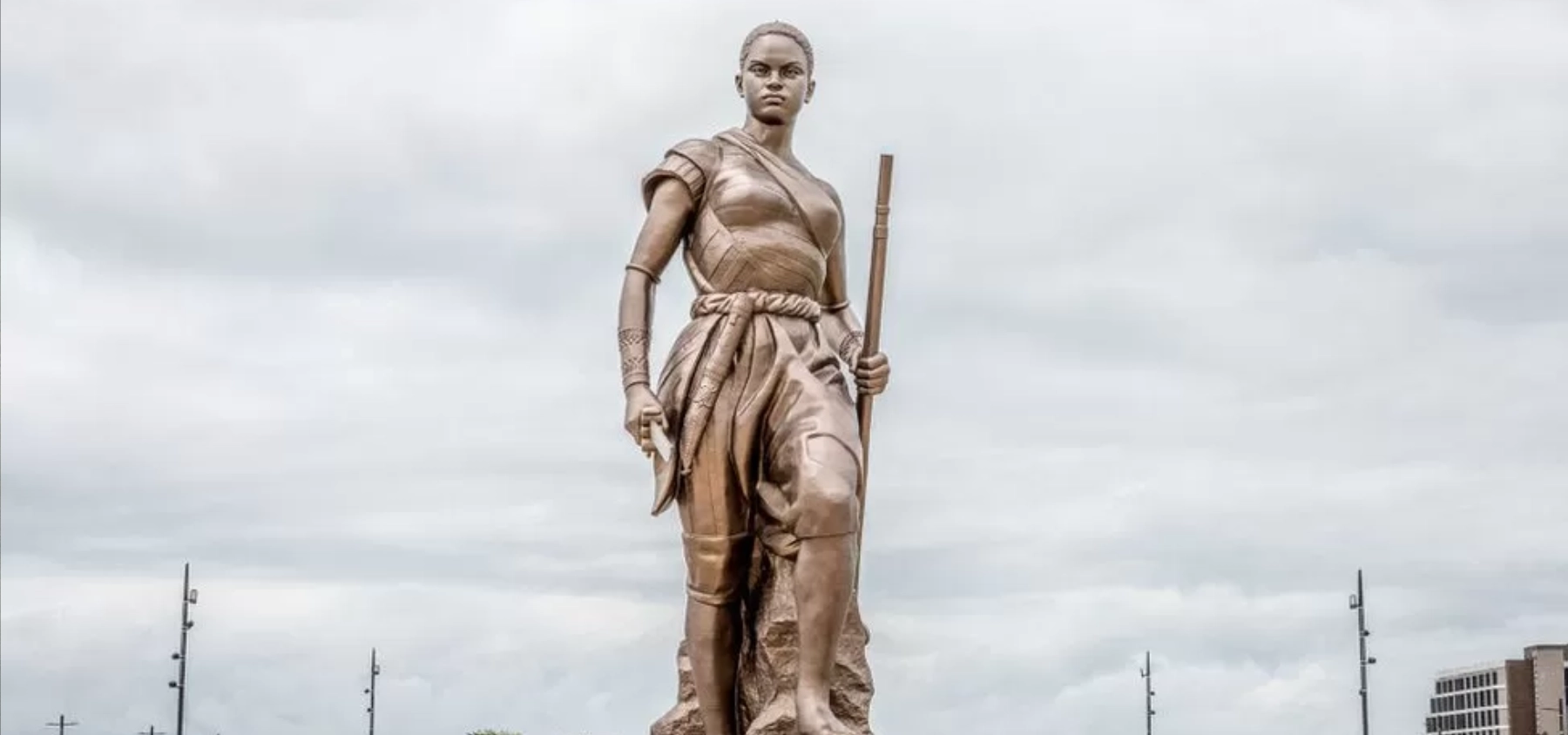
Two days inside the UNESCO Royal Palaces complex of Abomey — the greatest royal archive in West Africa. The royal thrones, bas-relief murals, ceremonial weapons, Agojie warrior history, and the extraordinary bronze casting and appliqué tapestry workshops that continue the royal artistic tradition to this day.


Living Vodoun — Sacred Sites of Southern Benin
Not a museum tour a lived experience of Vodoun as an active spiritual and cultural system. Sacred forest, Python Temple, vodoun ceremony attendance where permitted, bocio and altar object contexts, and a meeting with an initiated practitioner who can explain the tradition from the inside.
“No country on this coast has a history so carefully preserved, so deeply felt, or so extraordinary in its depth. Benin Republic is not a destination — it is a civilisation.”

The Homecoming — Diaspora Heritage Journey
Our most emotionally profound programme designed for people of the African diaspora who are returning to the land and spiritual tradition their ancestors carried across the Atlantic. Seven days including the Door of No Return ceremony, Vodoun spiritual consultation, genealogical research support, and DNA cultural mapping.
Built Heritage — Architecture of Power & Memory
Four days through Benin Republic’s extraordinary architectural heritage the Porto-Novo colonial quarter, Abomey’s royal palace compound, Ganvié’s lake city on stilts, and the Route des Esclaves as an architecture of memory. Guided by a specialist in vernacular West African architecture.


The Complete Heritage Expedition — Cotonou to Pendjari
Ten days through the complete historical and cultural arc of Benin Republic from the Atlantic slave trade memorials of Ouidah to the Agojie warrior legacy of Abomey, the Tata Somba fortress houses of Atacora, and the dawn safari in Pendjari where lions still rule. The most comprehensive heritage journey available in West Africa.
These are not ruins. These are not reconstructions. The heritage sites of Benin Republic are active, inhabited, and spiritually alive which is precisely what makes them unlike any other historical destination on earth.

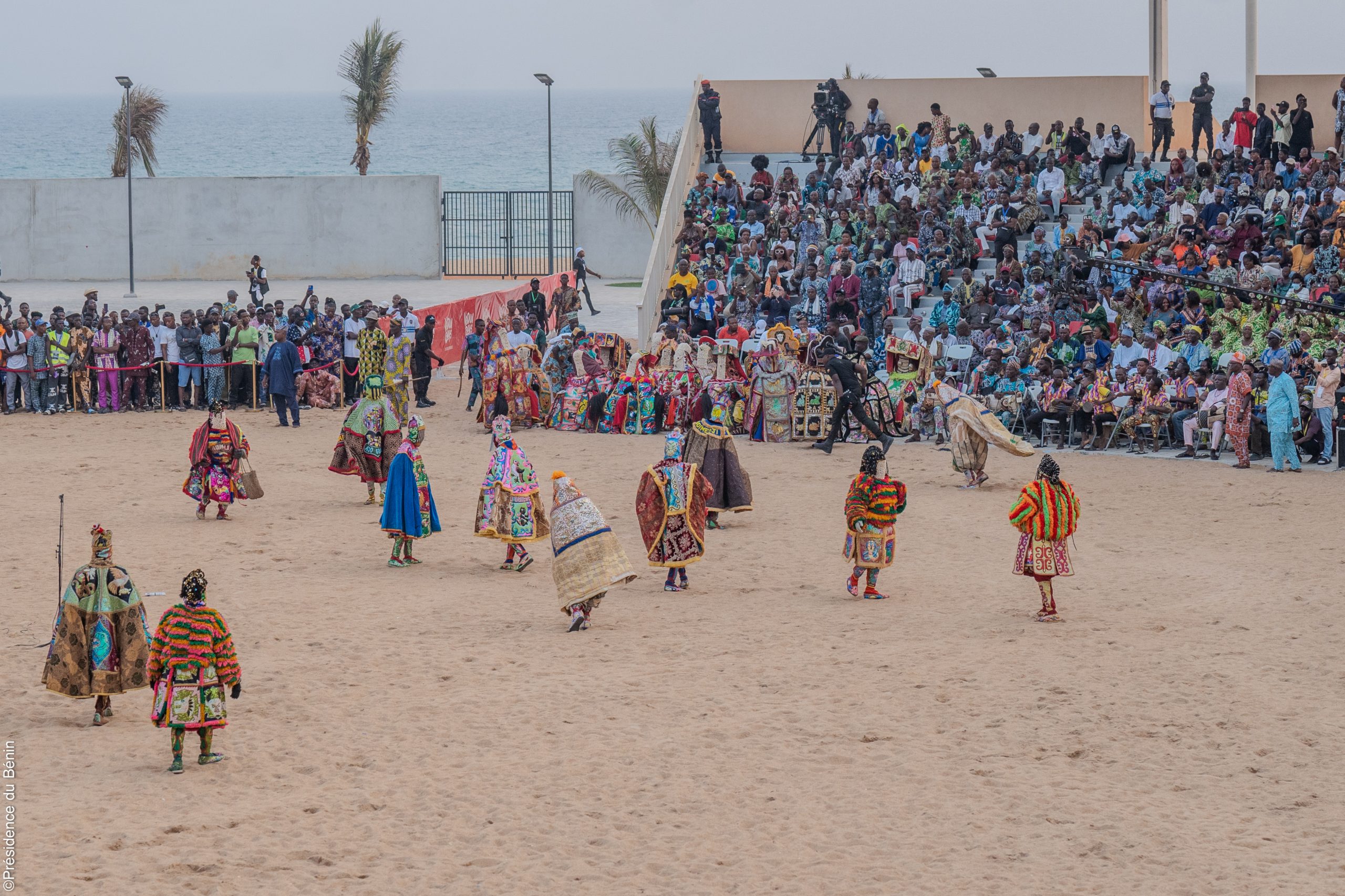
Twelve royal palaces built by successive kings of the Kingdom of Dahomey each king adding a new compound on his accession. The bas-relief murals covering entire palace walls record dynastic history, battles, proverbs, and Vodoun mythology in one of the world’s great traditions of public narrative art. The royal thrones built partially from the skulls of defeated enemies remain active ritual objects used in annual ceremonies. The bronze casting and appliqué tapestry workshops adjacent to the palace have operated continuously since the 17th century.

The 4-kilometre path from Ouidah town to the Door of No Return on the Atlantic shore — the route walked by enslaved people for two centuries. Every station along the route has a monument, a name, and a history that Codjo Ahouanssou, who was born 300 metres from the Door, carries in his memory and his family’s memory.

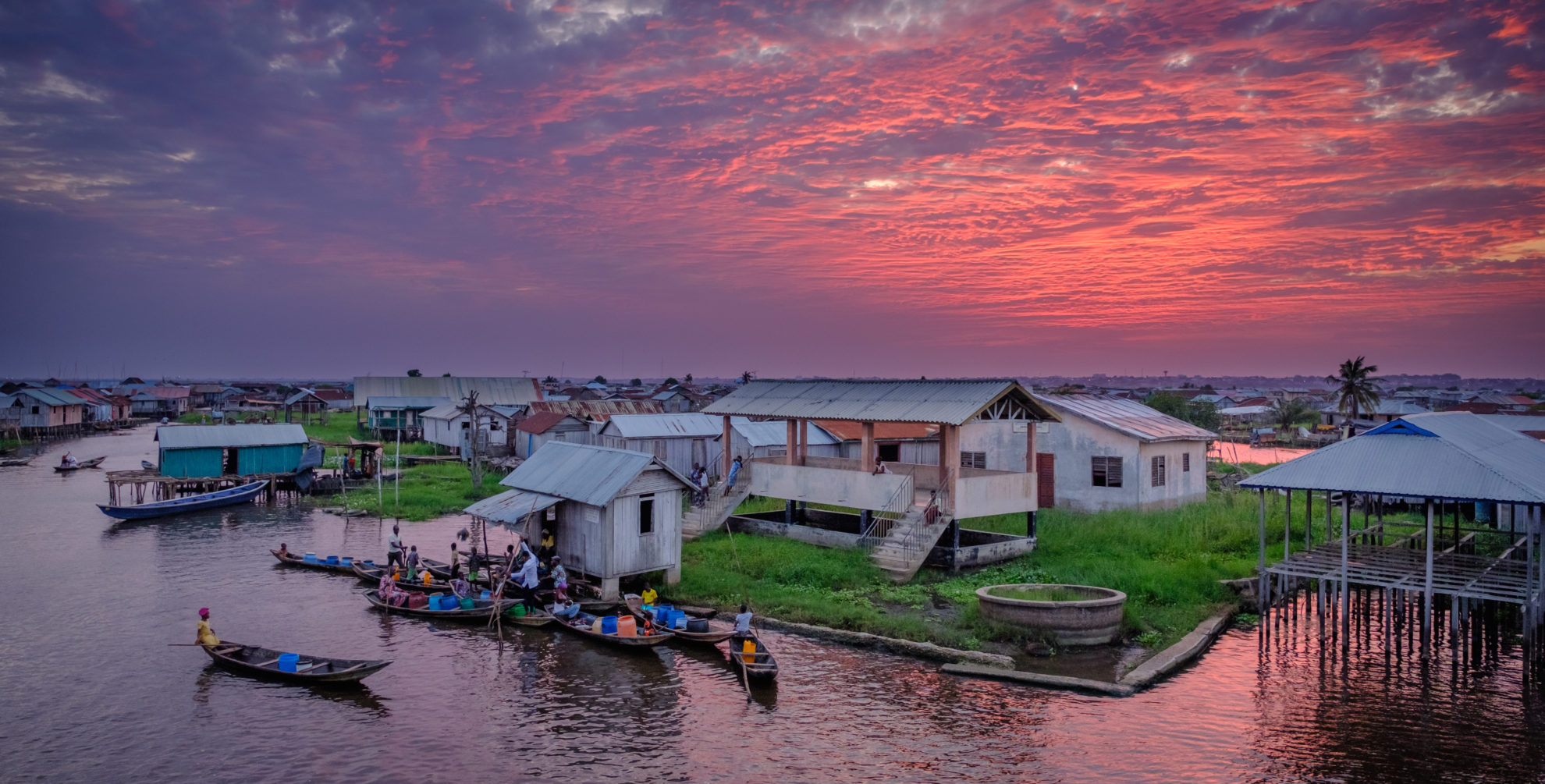
20,000 people living in raised wooden homes over Lake Nokoué — built to escape Dahomean slave raiders who were prohibited from entering water. Still entirely accessible only by pirogue. Emmanuel Gangbé was born here and guides tours of extraordinary intimacy.

The constitutional capital contains one of West Africa’s finest collections of colonial-era architecture — Portuguese trading houses, French administrative buildings, Yoruba-influenced mosques, and Romuald Hazoumé’s studio. Guide: Gérard Bossou, born here, 20 years experience.
A heritage tour is only as good as its guide. Ours are historians, cultural inheritors, and people whose family memories reach back into the histories they interpret. They are not narrating the past they are part of it.
Benin Republic holds a unique position in the African diaspora as the primary point of departure for enslaved Africans carried to Haiti, Brazil, Cuba, and the Americas. The spiritual traditions that survived the crossing Vodoun, Candomblé, Regla de Ocha trace directly back here. For descendants of the diaspora, visiting Benin Republic is not tourism. It is archaeology of the self.
Due to carrier delays, please allow up to 14 business days for your order to be delivered via our standard shipping method (“standard” at checkout).
We respond within 24 hours
Fill in the form and our heritage team will reach out to discuss your interests, suggest the best tour for your background and availability, and confirm your booking. Every heritage tour is tailored — nothing is standard.
“We read every enquiry. Tell us who you are, where you are coming from — literally and figuratively — and what you are hoping to find. The more you tell us, the better we can prepare your guide.”
+229 01 56407067 +358408091764